
Introduction to ISO-7 Cleanroom Mycology

ISO-7 cleanroom mycology is the practice of understanding and controlling fungal spore behavior, how yeasts and molds move, settle, and persist, inside ISO Class 7 environments: spaces engineered to allow no more than 352,000 airborne particles ≥0.5 µm per cubic meter. It sits at the intersection of engineering, microbiology, and daily operational discipline, and it matters because clean air doesn't mean fungus-free air. Spores don't care about your filtration schedule. They land where they land, and in a controlled environment, that's a problem worth understanding.
Key Takeaways
ISO-7 cleanrooms allow up to 352,000 particles ≥0.5 µm per cubic meter of air, roughly matching the old FED-STD-209E Class 10,000 standard.
Fungal genera like Aspergillus, Penicillium, and Cladosporium are routinely detected in ISO-7 and similar controlled environments, even with strong air filtration in place.
Research on cleanroom microbiomes suggests that cleanroom controls tend to reduce fungal abundance more consistently than they reduce fungal diversity.
Environmental monitoring combines active air sampling, settle plates, surface swabs, and increasingly, molecular tools like ITS sequencing.
ISO-7 mycology sits at the intersection of engineering, microbiology, and day-to-day operational discipline.
These conditions show up across pharmaceutical manufacturing, biotech labs, aerospace facilities, medical device production, and laboratory plastics work, anywhere a product, experiment, or patient depends on predictable air quality. ISO-7 is defined under ISO 14644-1, a particle-concentration standard rather than a microbiology or airflow standard, and the classification itself is really just a particle count: a room either meets the threshold under its designated occupancy state, or it doesn't qualify.
Here's the part that surprises people who assume "clean" means "empty": no cleanroom is fungus-proof. Studies of cleanroom microbiomes consistently detect a recurring set of genera commonly reported in indoor and cleanroom air-monitoring work, Aspergillus, Penicillium, Cladosporium, Candida, Fusarium, and Aureobasidium, riding in on people, materials, and air currents even in EU GMP Grade C/D spaces, which correspond only roughly to ISO Class 7–8 and can shift depending on whether the room is assessed at rest or in operation. Their presence doesn't necessarily mean a facility is failing; it means fungal ecology is persistent, and monitoring programs exist for exactly this reason.
What cleanroom maintenance, HEPA filtration, disinfection, and gowning protocols actually do is reduce how much fungal material is present. They tend to do less to reduce how many different types are present. A wide variety of fungal taxa can persist at low levels even when overall particle counts look good on paper, and contamination events usually trace back to localized, identifiable sources, human skin and hair, textiles and gowning materials, construction finishes, incoming supplies and packaging, rather than a systemic breakdown. That distinction, abundance versus diversity, should shape how a lab or facility thinks about risk. It's not enough to ask how much fungal material is present. You also need to ask what kinds, and where they came from.
What ISO-7 Means in Practice
ISO 7 isn't about room size, wall material, or which HVAC brand sits on the roof. It's a number, a particle count that separates a genuinely controlled space from one that just looks clean. That number lives inside the ISO 14644-1 framework, and it's more precise than most people expect.
Understanding ISO 14644-1 Cleanroom Classifications
ISO 14644-1 classifies cleanrooms strictly by airborne particle limits, measured per cubic meter of air at specific particle sizes. A room either meets its designated limits under its stated occupancy state, or it doesn't qualify as that class. There's no partial credit and no subjective judgment involved.
ISO-7 Particle Count Specifications
For ISO 7, the thresholds are:
Particle Size | Maximum Allowed (per m³) |
≥0.5 µm | 352,000 |
≥1.0 µm | 83,200 |
≥5.0 µm | 2,930 |
Those three numbers define the class, full stop. Smaller particle sizes, 0.1, 0.2, 0.3 µm, aren't part of the ISO 7 threshold at all; they matter more in tighter classes like ISO 4 or ISO 5, where finer control is the whole point. For mycology work, that's worth keeping in mind: ISO 7 isn't designed to catch every microscopic particle in the air. It's designed to keep the larger, more disruptive particulate load in check, which happens to overlap with the size range where fungal spores and spore-carrying dust travel.
How ISO-7 Compares to ISO-5, ISO-6, and ISO-8
ISO 7 sits in the middle of the pack.
Class | Relative Stringency | Typical Use Case |
ISO 5 | Much stricter | Critical aseptic work, laminar flow zones |
ISO 6 | Stricter | Sensitive compounding, tighter tolerances |
ISO 7 | Moderate | Controlled manufacturing, general cleanroom background |
ISO 8 | Looser | Lower-risk processing, support areas |
ISO 5 and ISO 6 allow far fewer particles than ISO 7, which is why they're reserved for the most sensitive tasks. ISO 8 goes the other direction, allowing more particulate load in exchange for operational flexibility. ISO 7 also lines up roughly with the old FED-STD-209E Class 10,000 designation, a useful mental anchor if you've worked under that older system.
Air Changes Per Hour and Filtration for ISO-7
Air change guidance for ISO 7 varies depending on who you ask, and that's normal. Some sources cite 30–60 ACH as a general working range, others call for a 60 ACH minimum in stricter operational designs, and high-use or high-risk applications sometimes push to 60–150 ACH. The range exists because ACH requirements depend on room use, occupancy, and process risk, not the ISO classification alone, a point echoed in the FDA's guidance on aseptic processing for sterile drug products, which frames air change rates as a design decision tied to risk rather than a fixed number tied to a class label. A compounding room running heavy traffic needs more air turnover than a lightly used storage space, even if both carry the same ISO 7 rating.
HEPA filtration is the consistent thread running through all of it. Most ISO 7 spaces rely on ceiling-mounted HEPA fan filter units, controlled pressure differentials between adjoining rooms, and filtration efficiency high enough to maintain particle limits under normal operation. Airflow is designed, either unidirectional or mixed, to sweep particles and spores away from the zones that matter most.
Why Cleanroom Conditions Matter for Spore Handling and Contamination Control
Spores don't play by normal rules. Bacterial endospores and fungal spores are built to survive, dry conditions, temperature swings, even the disinfectants used to fight them. That resilience is exactly why they're the biggest contamination risk in any spore-handling workflow.
If your controls aren't tight, spores will find a way in, settle, and stick around. Modern contamination control leans on a few core tools to prevent that:
HEPA or ULPA filtration to strip particulates from incoming air
Controlled humidity and temperature to limit germination conditions
Pressure differentials to keep contaminated air from migrating into clean zones
Validated sporicidal cleaning to actually kill what lands on surfaces
Strict material and personnel flow to reduce what gets carried in
In ISO-classified spaces, especially ISO 5 through ISO 7, where most aseptic work happens, any weak link breaks the chain. A gap in air handling, a crack in a wall panel, a stack of cardboard left in the wrong spot: these are the openings that let organisms like Aspergillus, Penicillium, Bacillus, and Clostridium move in, persist, and eventually form biofilms. Once that happens, batch failures and false results aren't far behind.
Cleanroom maintenance research backs this up: consistent air filtration, overpressure, humidity control, and disciplined cleaning schedules cut down microbial abundance and diversity together, the baseline for reliable, high-purity spore work across pharma, biotech, and mycology alike.
How Airborne Contaminants Threaten Spore Viability
Not everything floating in the air is dangerous on its own. But dust, lint, and skin flakes don't need to be viable to cause trouble, they act as carriers, giving spores a ride to places they shouldn't be. Airborne dust shows up again and again in contamination case studies, both as a spore reservoir and as something that physically blocks vents and disrupts airflow.
The real threat comes from what's riding on that dust. Fungal spores like Aspergillus and Penicillium, along with bacterial endospores like Bacillus and Clostridium, are built to outlast almost anything thrown at them, drying out, extreme temperatures, starvation, even routine disinfectants. They just wait. Then, when conditions turn favorable, they germinate.
Here's what that means in practice for mycology work:
Contamination Risk | What It Looks Like | Why It Matters |
Mixed cultures | Environmental molds outcompeting target spores | Skews results, wastes material |
Nutrient competition | Faster-growing contaminants dominating media | Masks true viability of target spores |
False analytical results | Contaminants triggering positive/negative errors | Undermines sterility testing and research validity |
HEPA filtration, humidity control (typically 30–60% RH depending on the guidance), and positive pressure go a long way toward keeping airborne spore loads down. But the moment those controls slip, blocked vents, humidity creeping up, filtration falling behind, filamentous fungi take advantage fast. For anyone doing sterility testing, gene therapy work, or serious mycology research, that's not just a physical risk. It's an analytical one too.
The Link Between Cleanliness and Spore Purity
Spore purity and environmental cleanliness aren't two separate concerns, they're the same concern. Spores are bioaerosols. They travel easily and settle on any compromised surface they can find. Dust, cardboard fibers, cart wheels, bags, all of it can carry spores straight into your workspace if the environment around it isn't rigorously controlled.
Surface integrity plays a bigger role here than most people expect. Cracks, peeling coatings, and exposed substrate on walls or ceilings create tiny pockets where fungal hyphae can take hold. Once that happens, you've got a reservoir shedding spores into the room no matter how often you wipe things down.
The fix, fortunately, is straightforward. Validated sporicidal agents, peracetic acid, hydrogen peroxide, sodium hypochlorite, can demonstrate strong efficacy against both bacterial and fungal spores, provided label claims, dilution ratios, and contact times are followed and verified for the specific surfaces involved. Facilities that take this seriously tend to focus on pass-through areas and airlocks, frequently handled tools (carts, markers, phones, bags), and high-touch surfaces near spore-handling zones. When cleaning, filtration, and gowning protocols are applied consistently, microbiological profiling shows a real drop in both microbial abundance and diversity, keeping spore preparations genetically and taxonomically true to what you started with.
Common Sources of Contamination in Mycology Work
Contamination rarely comes from one dramatic failure. It usually comes from a handful of familiar, everyday sources that add up:
Surfaces and cleanroom fabric — damaged walls, seals, and coatings create moisture-retaining niches for hyphae and biofilms
Equipment and furniture — benches, incubators, and biosafety cabinets that don't get sporicidal treatment often enough
Materials transfer — carts, bags, and packaging, especially cardboard, which is widely discouraged in controlled environments due to its particulate load and porous, spore-retaining structure
Personnel — skin, hair, clothing fibers, and poor gowning discipline
Environmental conditions — humidity above roughly 60–70% RH, where many fungi grow readily
Air handling gaps — blocked vents, degraded filtration, lost positive pressure
Even outside full pharmaceutical-grade cleanrooms, the same principles hold. Dusty environments, unfiltered air, high humidity, and uncontrolled foot traffic are the everyday culprits behind most contamination events in mycology settings, whether you're pouring plates or working through the steps of how to inoculate substrate. Understanding where these risks originate is the first step toward designing a workspace that actually keeps them out.
How ISO-7 Conditions Support Reliable Research Outcomes
ISO 7 strikes a practical balance. It's not the tightest classification available, but it gives mycology and bioprocess work enough control to make results trustworthy, without the operational overhead of an ISO 5 suite for every task.
Under ISO 14644-1, ISO 7 spaces typically combine HEPA or ULPA filtration with controlled temperature, humidity, and pressure differentials. Together, these reduce the background spore burden and stabilize the conditions that would otherwise skew growth, germination, and survival experiments.
Under cGMP and similar frameworks, this stability is monitored and proven, not assumed. Programs typically track both particulates and viable microorganisms using a mix of methods:
Active air sampling — volumetric samplers that report results in CFU/m³
Passive air sampling — settle plates exposed over a defined period
Surface sampling — contact plates and swabs across equipment and work zones
Personnel monitoring — glove prints and gown sampling to catch human-sourced contamination
Recent work in cleanroom microbiology pushes this further by combining classical culture methods with molecular microbiome profiling. High-throughput sequencing of fungal ITS regions and bacterial 16S rRNA genes reveals low-abundance taxa that routine culture-based surveillance simply misses, culture plates tell part of the story, molecular tools fill in the rest.
Research on endospore contamination in ISO 7 environments consistently points to one conclusion: robust environmental monitoring paired with validated sporicidal disinfection is what keeps sterility failure risk manageable. A well-run ISO 7 program typically includes rotational use of sporicidal agents to maintain broad-spectrum efficacy and manage material-compatibility issues over time, strict personnel and material flow, routine cleaning paired with humidity and temperature control, and ongoing monitoring to catch drift before it becomes a problem. When those pieces are in place, observed germination rates, stress tolerance, and sporulation patterns start reflecting the actual biology of the organism being studied, not noise from uncontrolled variables or hidden co-contaminants.
Operational Checklist for Mycology Work in Clean Conditions
ISO-7 principles matter, but they only pay off if your actual bench work matches them. You don't need a pharmaceutical facility to work clean; you need consistent habits, a controlled space, and the discipline to follow the same sequence every time.
Key Takeaways
Prep everything before you start, so sterile containers stay open for the shortest time possible.
70% isopropyl alcohol is the workhorse disinfectant for surfaces, gloves, and tools, though it is not a validated sporicide on its own.
Still air boxes and laminar-flow hoods dramatically cut contamination risk when available.
Slow, deliberate movement reduces air disturbance more than any piece of equipment can.
Documentation isn't optional. Label everything, log every session, and record anything unusual immediately.
The core workflow is simple to describe, even if it takes practice to master: prepare your materials, work inside a still air box whenever possible, sterilize metal tools between transfers by flame or autoclave where permitted (or use disposable sterile tools where open flame isn't appropriate), and write things down.
Gowning and Personnel Protocols
Your body is one of the biggest contamination sources in the room. That's not a knock on hygiene, it's biology. Skin, hair, and clothing shed constantly, and every bit of that shedding is a potential ride for stray spores.
Current guidance is consistent on the basics:
Wear clean, close-fitting clothing that doesn't shed fibers.
Tie back hair and remove hand and wrist jewelry.
Wash hands thoroughly before starting, then glove up with sterile or clean gloves.
Wear a face mask during inoculation work.
Spray or wipe gloves with 70% alcohol throughout the session, not just at the start.
Some guides go further, recommending a lab coat, hair cover, or even a shower before serious work. You don't need to treat your kitchen like an operating room, but the extra layer of care matters when you're working with something you actually want to succeed. The bigger point: minimize talking, sneezing, and fast movement. Every breath and every quick motion pushes air around, and moving air is exactly what you're trying to avoid.
Gown Room and Airlock Considerations
Airflow is the enemy of clean work. Not because moving air is bad on its own, but because it carries everything with it, including the contaminants you can't see.
Close windows and doors before you start.
Turn off fans, HVAC vents, and anything else that moves air through the room.
Avoid working outdoors or in high-traffic areas of your home or facility.
A still air box or laminar-flow hood is the best tool you can use here. If you have one, use it. If you don't, choose the calmest, most enclosed space available and treat it like it matters, because it does.
Before you open anything sterile, lay out every tool, container, and material you'll need within arm's reach. Once you crack open a sterile bag or jar, you want that opening exposed for seconds, not minutes. Give the air a moment to settle after you set up, and if you can, keep a clear boundary between your "clean" zone and everything else in the room.
Surface Disinfection and Cleaning Sequence
Clean surfaces start with removing what you can see, then killing what you can't. Skipping straight to disinfectant without clearing debris first just means you're wiping alcohol across dust and letting it evaporate before it can do its job.
Clear the workspace of clutter and visible debris.
Wipe down surfaces with 70% isopropyl alcohol or 70% ethanol, using enough liquid to fully wet the surface.
Let the surface air-dry or sit for the full contact time before starting work.
Disinfect tools and gloves as you go.
Re-wipe high-touch areas once you're done.
Step | What to Use | Why It Matters |
Debris removal | Clean cloth or wipe | Alcohol can't disinfect through dirt |
Surface disinfection | 70% IPA or ethanol | Broad-spectrum, fast-acting, low residue |
Tool sterilization | Flame, autoclave, or alcohol | Reduces spore load between transfers |
Post-session wipe-down | 70% IPA | Prevents buildup for next session |
Some sources mention bleach or hydrogen peroxide as alternatives for specific surfaces, but 70% alcohol remains the default: effective, fast-drying, and easy to apply consistently. Keep in mind alcohol alone is not considered sporicidal, so surfaces with a known spore-contamination history may need a dedicated sporicidal step on a defined schedule.
Documentation and Cleaning Frequency Standards
If you're not labeling and logging, you're guessing later, and guessing is exactly what you're trying to avoid when something goes wrong.
Every jar, plate, and culture should carry:
Date of inoculation or transfer
Strain or species identity
Any relevant batch or lot number
Keep a simple cultivation log alongside your labels, noting each agar transfer as it happens. Note anything unusual, an odd smell, an off-color patch, a delay in growth. The sooner you write it down, the easier it is to trace back later.
Cleaning frequency follows a natural rhythm: full surface disinfection before every session, glove and tool re-disinfection as needed during work, and reusable tools plus workspace wipe-down after every session. Clinical mycology handling reinforces the same principle from a different angle: aseptic collection, sterile containers, and prompt processing within hours. Time-stamped documentation isn't bureaucracy, it's how you catch problems before they spread.
Common Mistakes to Avoid in Clean Handling
Most contamination isn't caused by bad luck. It's caused by small, repeatable mistakes that add up over a session.
Here's what trips people up most often:
Working with unnecessary air movement nearby (fans, open windows, foot traffic)
Reaching over or touching the rim of open containers
Moving too quickly, which stirs air and increases particle drift
Skipping glove or surface re-disinfection mid-session
Forgetting to sterilize tools between transfers
There are also habits that seem minor but aren't:
Letting pets, food, or clutter linger near the workspace
Leaving sterile items open longer than necessary
Ignoring early signs of contamination instead of isolating and discarding affected material right away
Inconsistent labeling that makes it impossible to trace a problem back to its source
Rushing cleanup at the end of a session instead of finishing the job properly
None of this requires expensive equipment. It requires attention. Slow down, stay consistent, and treat every session the same way, whether it's your first or your five-hundredth.
Equipment and Consumables to Consider
A clean checklist only gets you so far. You also need the right gear.
The good news: cleanroom equipment has come a long way. Filtration is smarter, tools shed less, and disinfectants are more targeted. Modern cleanroom systems lean on a few core principles:
ISO-compliant air filtration (HEPA/ULPA) as the backbone
Low-shedding tools and packaging that don't add their own particle load
Chemically compatible disinfectants that meet EPA, FDA, or EN standards
Smart monitoring built into the equipment itself, not bolted on after
Filtration and Airflow Equipment
This is where cleanliness starts. Air quality isn't an accident, it's engineered.
A typical ISO-7 setup combines ceiling-mounted HEPA or ULPA filters, fan filter units (FFUs), laminar flow workstations, air showers, and replaceable filter housings. Together, these components can push a space down to ISO 4 or better when needed.
Fan filter units have gotten quieter and more efficient. Newer EC-motor units, sold under product families like the Nanoclass FFU Eco, deliver localized HEPA-filtered air with lower noise and reduced energy draw.
Equipment | Typical Price Range | Key Variables |
FFU (2x4 ft) | $1,500–$3,000 | Filter class, controls |
FFU (4x4 ft) | $2,500–$5,000 | Size, motor type |
HEPA filter (24x24") | $200–$800 | Efficiency, frame, testing docs |
Efficiency ratings (≥99.95% at MPPS for H13/H14, up to ≥99.9995% for U15/U16) tell you what a filter is actually capable of, not just what it's called. Beyond raw filtration, airflow pattern matters just as much. Unidirectional versus mixed-flow design, make-up air, and pressure cascades between rooms all shape how well particles actually get swept away rather than just diluted. Many facilities now tie this into building management systems, so pressure differentials and airflow get monitored in real time instead of checked occasionally with a clipboard.
Cleanroom-Grade Tools and Materials
Tools and materials either help your clean environment or quietly work against it. There's not much middle ground.
Cleanroom-grade products are built specifically to avoid shedding fibers, particles, or static. Common categories include polyester knit, polyester-cellulose, or microfiber wipers; pens and paper designed not to shed ink or fibers; stainless steel hand tools with anti-corrosion coatings; and double- or triple-bagged packaging for airlock transfer. Cardboard, by contrast, is generally avoided in controlled spaces: it's porous, it sheds, and it's a known carrier for the exact contaminants you're trying to keep out.
Pricing varies quite a bit depending on the product and certification level:
Item | Typical Cost |
Polyester knit wipers (9x9", case of 300) | $30–$80 |
Cleanroom pens | $1–$5 each |
Stainless tools (tweezers to specialized instruments) | $20–$300+ |
Many suppliers also offer validated mop systems, pre-saturated wipers, and disposable labware that's gamma-irradiated and documented with certificates of analysis, alongside guidance on pressure canner sterilization for facilities that autoclave their own materials in-house. If you're serious about consistency, that documentation isn't optional, it's how you know what you're actually working with. Cleanroom vacuums with multi-stage HEPA filtration, stainless or polymer carts, and tacky mats at entry points round out the picture: small additions that add up to a space that stays clean instead of one that just starts clean.
Personal Protective Equipment (PPE)
Your gear only works if you don't undo it the moment you walk in. PPE is the last line of defense.
For higher-grade environments like ISO 5, expect sterile, low-lint coveralls with integrated hoods, sterile boot covers, layered gloves, and either sterile masks with goggles or powered air-purifying respirators when hazard assessments call for it. For ISO 7 work, requirements are generally lighter but still deliberate.
Rough cost breakdown:
Disposable coveralls (ISO 6–8): $5–$15 per garment
Reusable woven polyester suits: $100–$300 per set, plus laundering/service fees
Nitrile gloves (ISO 5–7, box of 100): $15–$40, higher for sterile pairs
The best PPE programs treat garments like consumables with a paper trail: batch and lot numbers, size management, and compatibility with gowning procedures. That's not a bureaucratic extra, it's what makes PPE traceable when something goes wrong. Some suppliers now bundle PPE with garment service contracts and monitoring support, which can simplify things if you're managing a space without a dedicated cleanroom team.
Approved Disinfectant Chemistries
Not all disinfectants are created equal, and using the wrong one at the wrong time is a common, avoidable mistake. Match the chemistry to the job.
Chemistry | Best For | Notes |
General surface disinfecting | Floors, non-critical areas | |
Rapid, residue-free disinfection | Equipment, workstations; not sporicidal alone | |
Hydrogen peroxide/peracetic acid blends | Sporicidal action | Rotate to maintain efficacy and manage material compatibility |
Chlorine-based | High-level disinfection | Used selectively |
You don't need to overthink this once you understand the rotation principle: alcohol handles daily disinfection, and a validated sporicide, used on a regular schedule, handles what alcohol can't touch.
Pricing tends to track with sterility and packaging:
Sterile 70% IPA (1 liter): $10–$30
Sporicidal hydrogen peroxide/peracetic acid blends (1 liter): $30–$80
Whatever chemistry you choose, verify contact times and material compatibility before committing to it across your whole space. Stainless steel, epoxy floors, and polymeric isolator materials don't all respond the same way to the same disinfectant. Always look for documented efficacy claims against bacteria, fungi, and spores; a disinfectant that hasn't been tested against what you're actually trying to control isn't doing much for you beyond a clean smell.
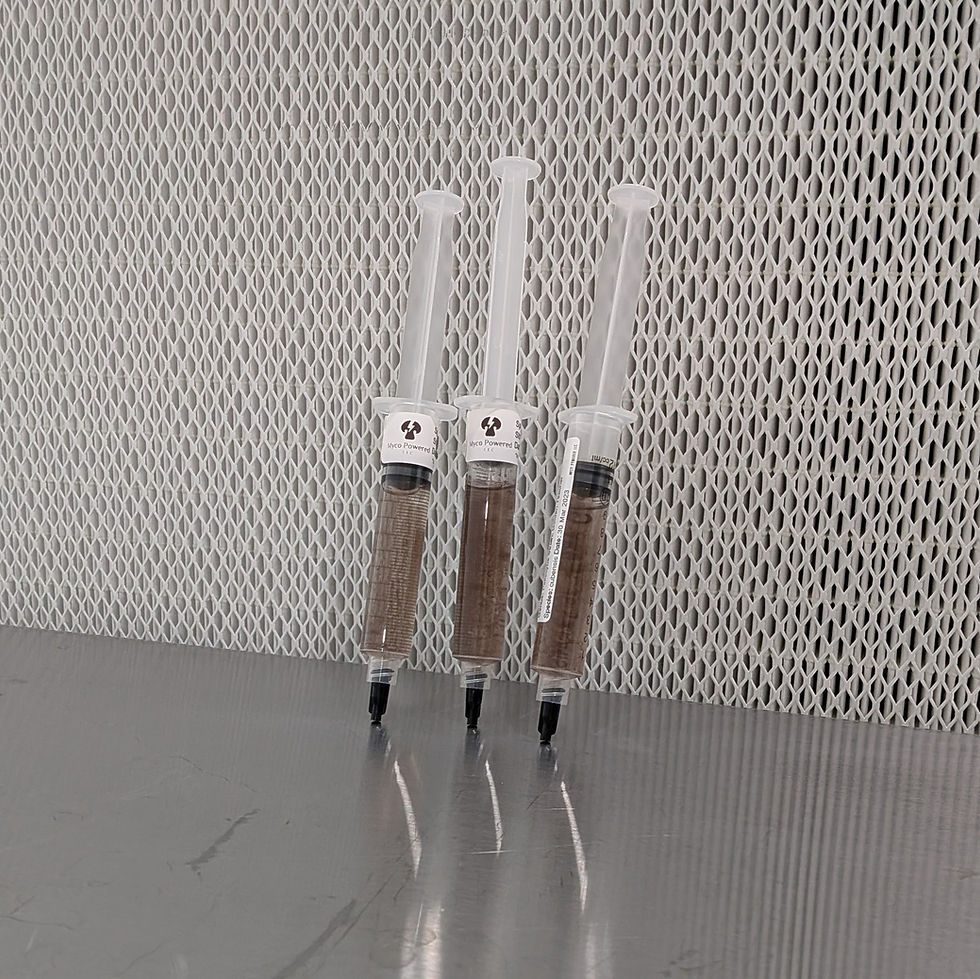
How ISO-7 Standards Impact Spore Viability
Once your workspace and tools are dialed in, the next question is bigger: does all this cleanroom rigor actually protect the spores themselves? Short answer: yes, but it's not automatic.
ISO Class 7 cleanrooms exist to limit airborne particulate and microbiological contamination, and that matters a lot when you're producing, testing, or storing spores for pharmaceutical, biotech, or food-chain use. ISO 7 doesn't guarantee viable spores. It guarantees a controlled environment where viability is easier to preserve and contamination is easier to catch.
ISO 7 relies on HEPA filtration, pressure differentials, controlled personnel and material flow, and validated cleaning and disinfection. Together, these reduce bioburden and cross-contamination during processing, packaging, and storage. Environmental monitoring here typically layers on colony identification via MALDI-TOF MS, 16S rRNA sequencing for bacterial isolates, or ITS sequencing for fungal isolates, growing a colony tells you something's there; identifying it tells you whether it belongs.
ISO 7 classification alone doesn't specify spore viability requirements. But paired with standards like ISO 8573-7 and ISO 20976-2, it creates a framework that minimizes unintended spore loss or contamination.
Standard | What It Governs |
ISO 14644-1 | Airborne particle limits (ISO 7 classification) |
ISO 8573-7 | Viable microbial content in compressed air |
ISO 20976-2 | Inactivation testing for vegetative cells and spores, commonly applied in food-safety and biocide efficacy contexts |
In practice, ISO 7-compliant facilities rotate sporicidal disinfectants, hydrogen peroxide, peracetic acid, sodium hypochlorite, to reduce unwanted spore contamination on non-product surfaces. This happens alongside aseptic handling of the target spore material, not instead of it. The goal is balance: kill what shouldn't be there, preserve what should.
Maintaining Genetic Integrity Through Clean Processing
Genetic integrity isn't just about keeping spores alive. It's about keeping the right spores alive, unmixed with anything else.
Preventing cross-contamination and unintended selective pressure during culture, harvest, drying, and packaging is the whole game here. ISO 7 reduces airborne particulates and microbial ingress. Combine that with real aseptic technique, gowning, glove disinfection, unidirectional workflow, strain segregation, and you get a spore lot that stays genetically homogeneous instead of drifting into a mixed population.
Environmental monitoring doesn't just react to problems, it catches them early. Settle plates and active air sampling, followed by incubation and species-level identification, let facilities step in before foreign spores colonize media or equipment. That's the difference between a minor note in a log and a scrapped batch.
Clean processing under ISO 7 usually includes validated sterilization of raw materials and contact surfaces (moist heat or gamma irradiation for high-risk inputs), sporicidal disinfection of equipment and rooms, and tightly controlled culture conditions, defined media, temperature, humidity, oxygen levels.
For spore-based biological indicators and food-chain preparations, standards like ISO 20976-2 use defined D-values, exposure conditions, and minimum spore counts to characterize inactivation kinetics. ISO 7 processing has to align with those parameters: overexpose spores to heat, chemicals, or desiccation, and you risk altering viability or unintentionally selecting for resistant subpopulations. Either way, you've changed the organism you started with.
Storage and Handling Best Practices
Preserving spore viability doesn't end when processing does. Storage and handling are where a lot of good work quietly gets undone if the details slip.
Spore preparations belong in sealed, clearly labeled primary containers, vials, ampoules, pouches, inside secondary containment. Temperature and humidity should match the species and formulation: refrigerated or ambient dry storage for dehydrated spores, frozen conditions for more sensitive preparations when a validated cryopreservation protocol is in place. Small environmental swings add up fast, so handling should always happen in ISO 7 or higher-grade areas, using disinfected gloves, minimized container openings, single-use or sterilized tools, and unidirectional workflow to prevent backflow from less-clean zones.
Compressed air matters more than people expect. ISO 8573-7-compliant testing ensures the air used for drying, filling, or conveying doesn't introduce viable contaminants. Routine surface and air monitoring confirms storage locations stay within microbiological limits over time.
For quantitative spore products like biological indicators, total viable spore count procedures involve eluting spores from carriers, applying heat shock, running serial dilutions, and plating on tryptic soy agar. Matching your local procedures to manufacturer methods helps confirm that stored spores hold their labeled population and D-value across the shelf life.
Mix-ups are a real risk too, and the fix is unglamorous: inventories with lot and expiry tracking, restricted access, and defined maximum exposure times during handling. That combination reduces viability loss from repeated temperature cycling or light exposure, and it keeps different strains or strengths from getting crossed.
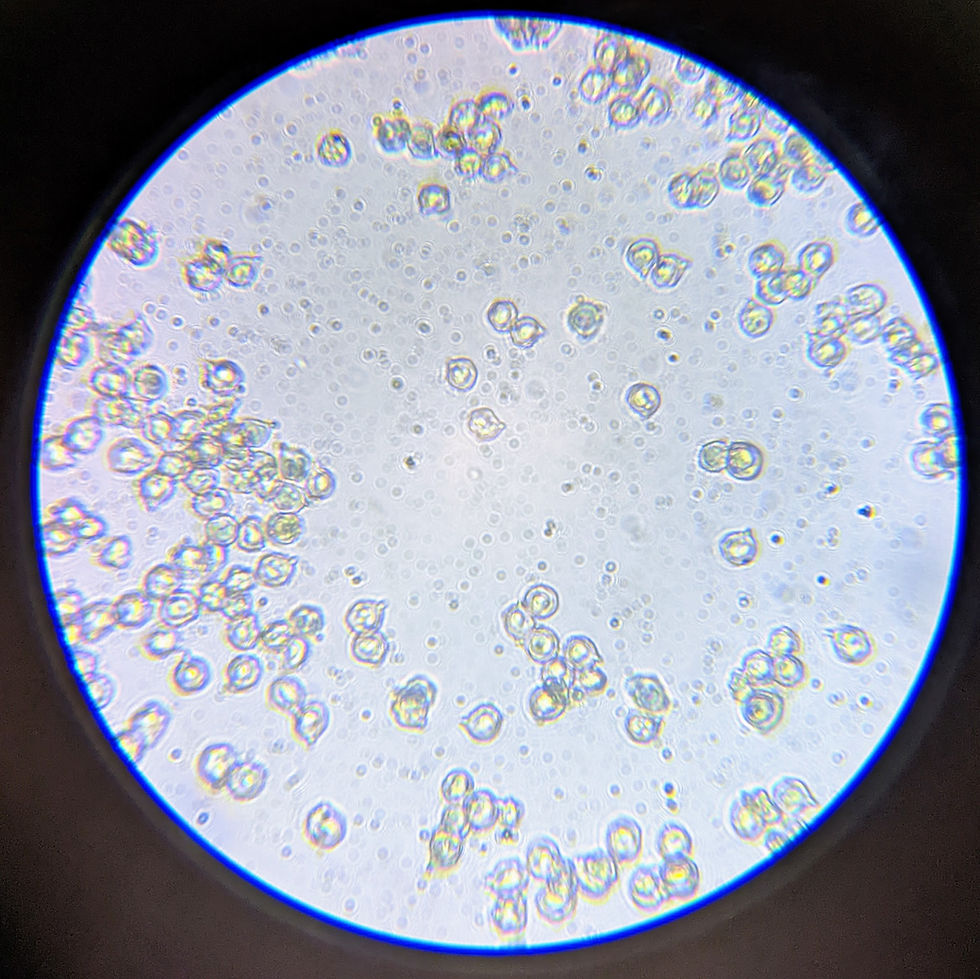
How to Recognize Contamination in Spore Samples
Even in a well-run ISO 7 environment, contamination happens. Knowing how to spot it early is what separates a caught problem from a ruined batch.
Visual inspection is the first line of defense. A contaminated spore suspension or powder might show unexpected turbidity or color changes, clumping or unusual films, or growth in what should be a stable, non-growing preparation. On solid media, a sample that should yield uniform colonies might instead produce mixed morphologies, different sizes, colors, edges, or textures. That's rarely a good sign.
The environmental monitoring tools already in place for ISO 7, settle plates, contact plates, active air sampling, can be pointed directly at suspect spore lots, and the same logic behind how to test liquid culture for clarity and growth applies here too. Growth with atypical morphology or an unexpected biochemical profile is your signal to dig deeper. Appearance alone isn't proof, though. Species-level identification through MALDI-TOF MS, 16S rRNA sequencing for bacterial isolates, or ITS sequencing for fungal isolates confirms whether recovered colonies match the intended strain or represent foreign organisms. Quantitative testing helps too: colony counts that exceed or deviate from expected patterns, especially additional colony types showing up at dilutions where only one should appear, point to contamination.
There's also a subtler warning sign: endotoxin, vegetative cells, or non-spore-forming microbes detected through viable microbiological contaminant testing. Their presence suggests handling or environmental controls broke down somewhere along the line. Any unexpected positive in routine monitoring near spore processing or storage areas deserves investigation, especially if it involves spore-forming genera that aren't part of the intended product. Catching cross-contamination early is always cheaper than finding out later.
Buying Considerations for Labs and Vendors
Choosing a spore or culture media vendor isn't just about price. It's about trust: trust that what arrives in the box matches what's on the label, and trust that the environment it came from was actually controlled, not just described that way in a sales sheet.
Here's what matters most when evaluating a supplier:
Regulatory compliance (ISO 9001/13485, GMP)
Validated cleanroom classifications (ISO Class 5–8, depending on product risk)
Batch-level traceability
Transparent sterility assurance and environmental monitoring documentation
Cost matters too, but not just the sticker price. Ongoing consumables, calibration, validation, maintenance, and training often outweigh the initial purchase over a 3–5 year window. A cheaper spore lot that arrives contaminated or inconsistent isn't actually cheap, it just moves the cost somewhere else, usually into failed experiments or repeated orders. The best approach is to compare vendors across the full picture: quality, pricing, lead times, technical support, warranty terms, and logistics. Look for partners who can back up their claims with Certificates of Analysis, bioburden or sterility data, and clear documentation on spore concentration, strain identity, and storage conditions.
The brand we trust and point you towards, is SporesMD.
Why Cleanroom Processing Matters When Choosing a Supplier
Cleanroom processing isn't a nice-to-have. It's the difference between a spore product you can trust and one you're hoping works out.
Suppliers who manufacture, fill, or package spores within ISO-classified cleanrooms are working to reduce adventitious contamination, cross-contamination between lots, and general environmental bioburden. That matters whether you're running sterility tests, challenge studies, or clinical work. HEPA filtration, controlled airflow, and strict gowning procedures aren't just checkboxes, they're what keeps unintended organisms out of the product you're about to use. Cleanroom processing also stabilizes the things you can't always see, temperature, humidity, particulate counts, factors that directly affect spore viability and consistency.
Vendors with real cleanroom operations usually pair them with environmental monitoring programs, air and surface sampling, and trend analysis with defined action limits. This gives you evidence, not just assurance, that contamination events get caught and corrected before they reach your bench.
When comparing suppliers, ask for:
Documentation Type | What It Should Show |
Cleanroom classification | ISO Class 5–8, or equivalent GMP zone |
Qualification/validation reports | Proof the room performs as designed |
Cleaning and disinfection SOPs | Agents, frequency, validated efficacy |
Environmental monitoring results | Routine trends, not just pass/fail |
For regulated labs, this documentation also simplifies audits. It shows your raw materials and challenge organisms come from environments aligned with GMP or ISO 14644 expectations, which makes inspections far less painful.
Red Flags When Evaluating Spore Vendors
Some warning signs are obvious. Others hide in what a vendor doesn't say.
Start with the basics. If a supplier has no ISO 9001/13485, no GMP framework, and no documented quality management system, that's worth pausing on. The same goes for missing batch-level Certificates of Analysis; if they can't tell you strain identity, spore concentration, purity, or sterility data for a specific lot, you're buying blind.
Watch for these red flags:
No mention of cleanroom classification or environmental monitoring
Sole-source or opaque supply chains with no lot traceability
Pricing well below market norms with no clear explanation
Inconsistent lead times or frequent stockouts
Damaged or compromised packaging on arrival
Reluctance to answer technical questions or share SOPs
A vendor unwilling to explain their process is usually a vendor with something to hide. That doesn't always mean bad intent, sometimes it means the controls simply aren't there. Either way, it's a risk you don't need to take on. Negative peer feedback deserves attention too. If other labs report contaminated, off-spec, or inconsistent spore counts from a supplier, treat that as real signal, and test lots before committing to critical work whenever you can.
Questions to Ask About a Vendor's Contamination Controls
The right questions tell you more than any brochure will.
Start with facility controls. Ask what cleanroom classification they use for production, filling, and packaging, and how often those rooms get re-qualified. A vendor confident in their process will have qualification summaries ready to share.
Core questions worth asking:
Facility controls: What ISO class or GMP zone is used, and how often is it re-qualified?
Environmental monitoring: What organisms are tracked, and how are excursions resolved?
Process controls: How is cross-contamination prevented between strains?
Product verification: How is strain identity and spore concentration confirmed per lot?
Traceability: Can you trace raw material to finished product, fully documented?
Deviations: How are contamination issues handled and communicated?
Packaging and transport: How is sterility maintained during shipping?
Certifications: What standards do you follow, and are you third-party audited?
A vendor who answers these questions clearly and specifically is a vendor who understands their own process, exactly the kind of partner you want handling something as sensitive as spore production. Gathering real answers, not just marketing language, gives you the ability to compare vendors on substance. When the work depends on purity and consistency, substance is what actually protects your results.
Legal Status and Research Compliance Disclaimer
Before you take any of this into your lab or facility, a quick word on where this information ends and your responsibilities begin.
Everything in this guide is educational. It's built from real research and hands-on observation of how cleanroom mycology works. It is not legal advice, and it's not a substitute for guidance from your institution's compliance office or legal counsel. Regulations around research, spore handling, and cleanroom operation vary by institution, state, and country. What applies to one lab may not apply to yours, which is why we point you toward the frameworks and offices that actually carry authority here.
This section is built around three simple commitments:
Limited scope: This content is general and educational. It does not interpret law on your behalf.
Direct you to the right people: Your legal counsel, research compliance office, or institutional review board (IRB) are the ones equipped to answer project-specific questions.
Responsibility sits with you: Compliance with law, regulation, and institutional policy is ultimately the researcher's and institution's job, not ours.
If your work touches human subjects research in the United States, the foundation is the Common Rule (45 CFR 46), including the 2018 revisions that expanded consent and transparency requirements. Institutions and researchers carry the responsibility of ensuring their projects meet these standards, along with any stricter state or local rules layered on top. This matters even more when vulnerable populations are involved: studies involving children, prisoners, pregnant persons, or other protected groups face additional regulatory scrutiny and require closer IRB oversight. We're not here to interpret those requirements for you, only to flag that they exist and that your institution's review board is the correct authority to consult.
Modern compliance expectations go beyond consent forms. They extend into how research is conducted and reported day to day:
Area | What It Typically Requires |
Responsible Conduct of Research (RCR) | Proper training, accurate authorship, data integrity |
Conflicts of Interest | Disclosure of funding sources and financial interests |
Data Management | Clear plans for data sharing, storage, and confidentiality |
Clinical Trial Registration | Timely registration and reporting obligations |
AI Tool Use | Disclosure when generative AI supports design, analysis, or writing |
These are increasingly standard requirements across manuscripts and institutional review processes, not optional extras.
If your work crosses borders or involves multiple institutions, expect additional layers. Updated national statements and publisher policies now call for explicit reference to ethics committee approval, documented consent procedures, and risk minimization steps that respect participant privacy and autonomy. Research compliance offices and legal counsel consistently advise the same thing: seek formal institutional guidance on regulatory interpretation, contract terms, and oversight requirements. Don't lean on generic disclaimers, ours included, as a stand-in for that guidance.
This section aims to be honest about its limits. It discloses that this information is educational, not advisory; points you toward the regulatory texts and institutional authorities that carry real weight; and makes clear that compliance responsibility rests with you and your institution, not with us. When in doubt, talk to your IRB, your compliance office, or your legal counsel before you rely on anything you've read.
Frequently Asked Questions
What are the requirements for an ISO-7 cleanroom?
An ISO-7 cleanroom, sometimes called Class 10,000, is defined under ISO 14644-1 with fixed airborne particle limits: 352,000 particles/m³ at ≥0.5 µm, 83,200/m³ at ≥1.0 µm, and 2,930/m³ at ≥5.0 µm. Beyond the particle counts, most ISO-7 builds share a few common features: HEPA filtration at the terminal ceiling point (typically rated 99.97–99.99% efficiency at 0.3 µm), mixed or non-unidirectional airflow generally moving from ceiling to low-wall returns, air change rates commonly cited in the 30–60 ACH range (some pharmaceutical designs push higher), and positive pressure relative to adjacent, less-clean spaces, often maintained through airlocks. ISO-7 is frequently treated as broadly equivalent to an EU GMP Grade C room under EU GMP Annex 1, though the two frameworks classify spaces differently, one by particle count, the other by operational grade, and the equivalence can shift depending on whether a room is assessed at rest or in operation. For mycology work, ISO-7 functions as the background environment; real aseptic manipulation still happens inside an ISO-5 laminar flow hood placed within that space.
How does cleanroom classification affect spore viability?
Cleanroom class doesn't change how tough a spore is. It changes how much company that spore has to deal with. Classification mainly controls contamination risk, not the spore's biology. A tighter ISO-5 environment cuts down airborne bacteria, mold spores, and other opportunists far more effectively than ISO-7, simply because the particle counts and air change rates are so much lower, which matters when you're trying to get clean germination without competition crowding out your target organism.
Dormant spores themselves are resilient by design. Whether they stay viable has much more to do with temperature stability, moisture exposure, oxygen levels, and light exposure than with which ISO class the room carries. Cleanroom standards are built around non-viable particle counts; microbial limits, like CFU/m³ thresholds referenced in EU GMP Annex 1, are a separate layer entirely. A less clean room simply raises the odds that something else gets there first and out-competes your culture once germination starts.
What is the difference between ISO-5 and ISO-7 for mycology?
The gap between these two classes is bigger than it looks on paper, two orders of magnitude in particle count, plus a completely different airflow approach. ISO-5 relies on unidirectional, laminar airflow moving at about 0.36–0.54 m/s across the work surface, translating to roughly 240–360+ air changes per hour. ISO-7 relies on mixed airflow at a much lower 30–60 ACH range.
What does that mean for your bench work? Critical sterile tasks, pouring agar, inoculating grain, transferring mycelium, working spore syringes, belong in ISO-5 conditions, usually delivered by a laminar flow hood. General lab background, storage, prep, staging, can live comfortably in ISO-7. Most home and small-scale growers create ISO-5 conditions locally with a flow hood inside an otherwise ordinary room. Larger or regulated facilities go a step further, placing that same hood inside a full ISO-7 cleanroom to reduce overall contamination pressure. Either way, local ISO-5 protection matters more than blanket room classification for the actual moment of transfer.

How should mushroom spores be stored to maintain viability?
Three words cover most of it: cold, dark, dry. For spore syringes, store in a refrigerator around 2–8 °C (35–46 °F), keep in original sterile packaging, shield from light with an opaque container or foil, and avoid temperature swings. Under those conditions, many growers report syringes remaining viable for roughly 6–12 months, with some successful germination reported out to 18–24 months, though actual viability varies significantly by species, strain, and preparation method. Leave them at room temperature instead, and that window typically shrinks to 6–8 months. Standard freezer storage is generally discouraged for aqueous spore suspensions, since ice crystal formation can damage spores enough to reduce viability, unless a validated cryopreservation protocol is used.
Spore prints behave differently and generally hold up better over time:
Storage Method | Typical Viability Window |
Sealed, refrigerated, dry (4–10 °C, 10–30% RH) | 1–2 years high viability, 3–5+ years usable |
Room temperature, dark | Shorter, more variable |
A double-envelope or double-foil setup with desiccant added goes a long way, as does keeping containers sealed and handling prints as little as possible. Whether you're working with syringes or prints, the fundamentals don't change: seal it up, keep it cold, keep it dark, and don't let condensation sneak in.
How can I tell if spores or cultures are contaminated?
Your eyes, nose, and a little patience are your best tools here. Contamination almost always shows itself through appearance, smell, growth pattern, or texture, sometimes all four at once.
For spore syringes, a healthy solution looks clear with dark spore flecks that settle when left alone. Watch for cloudy or milky liquid, unexpected color shifts (green, yellow, black), slimy clumps or odd floating debris, gas bubbles or pressure buildup, and sour or foul odor on opening.
On plates, jars, or substrate, healthy mycelium runs consistently white. Anything green, blue-green, black, pink, orange, or grey should be treated as contamination, not a variation of normal growth. A few other signs worth flagging: fast, uneven growth from one localized spot; slimy or wet patches; powdery or dusty textures; off-smells that read sour, sweet, or chemical instead of mild and earthy; and fruiting that stalls out or comes back distorted.
When something looks off, isolate it. Don't cross-contaminate a clean culture trying to "wait and see." A cheap USB microscope can confirm what your eyes already suspect, showing foreign cell shapes or mixed populations that don't match your target species. When in doubt, toss it, it's always cheaper than losing a whole batch later.
You have the spores now what? Add a few drops to an agar plate and start growing, or inoculate grain to get the ball rolling.


Comments